Returning from parental leave during the AI shift: How I rebuilt my confidence fast
Follow one data analyst’s journey returning to GetYourGuide after parental leave—navigating rapid AI changes, finding community with fellow parents, and picking up practical tips for rebuilding skills and confidence.

Data Analyst
Key takeaways:
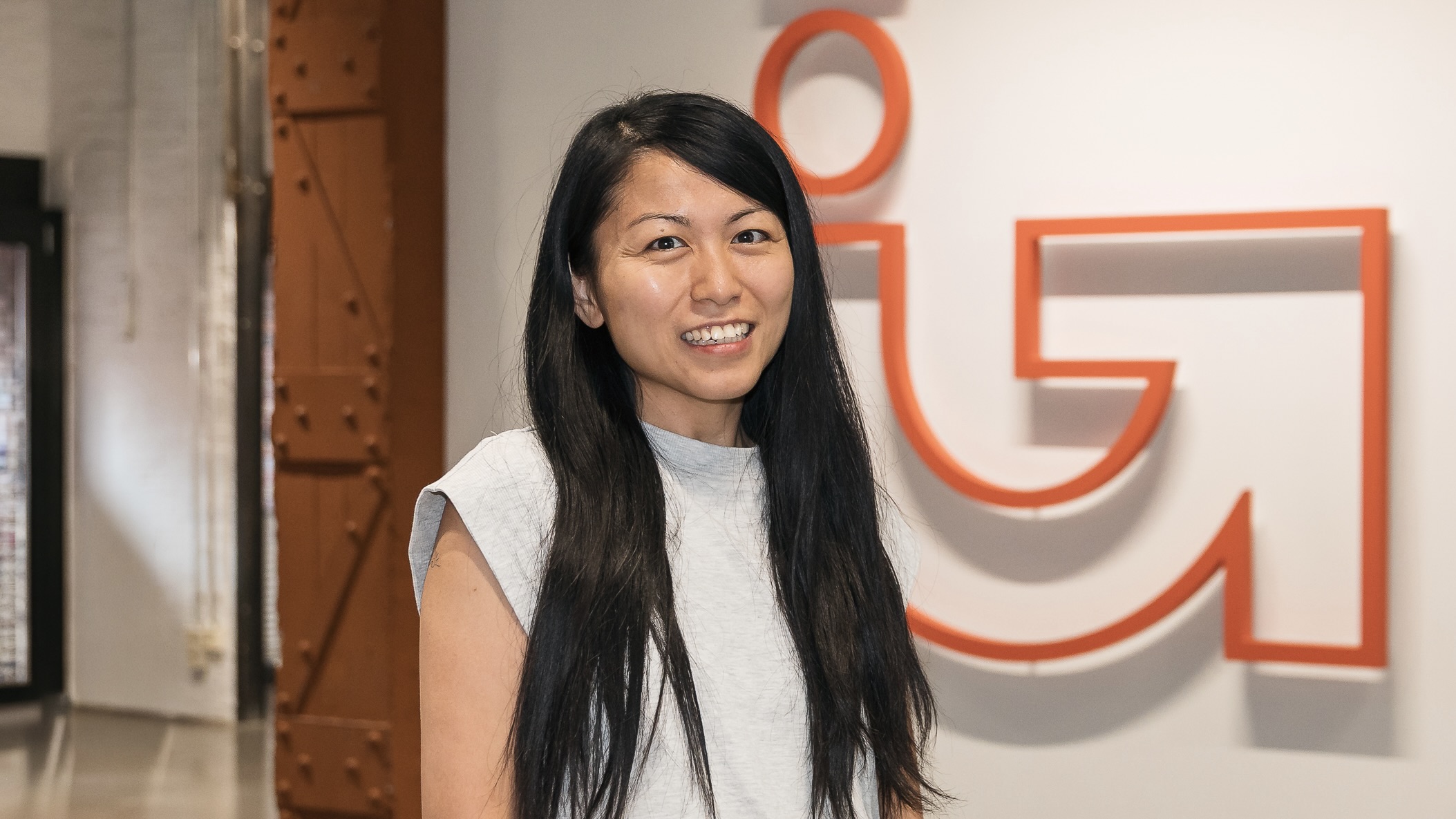
Ivy Ip has worked as a Data Analyst at GetYourGuide since March 2022, and returned after parental leave to the ‘AI Boom’ in full swing. In this post, she shares what surprised her most, what helped her rebuild confidence, and how she learned new tools without putting pressure on herself to catch up overnight. If you’re coming back to a fast-paced workplace after a long break, this one’s for you.
{{divider}}
Introduction
After more than a year of leave, I returned to GetYourGuide full of excitement. I loved spending time with my son, but I was looking forward to reconnecting with colleagues, solving problems again, and thinking about something other than nap schedules!
What I didn’t expect was how much had changed during my time away. The company had grown, with the analytics team nearly doubled in size. I was met with lots of new faces, projects, and ways of working.
At the same time, AI was rapidly becoming part of everyday conversations across the industry. Suddenly, I found myself trying to catch up on a year’s worth of growth while learning about an entirely new wave of tools and technologies.
Here’s how my journey played out. Make sure to read to the end for actionable tips!
Why returning felt harder than starting
If I’m honest, coming back from maternity was more challenging than when I first joined. When you start a new job, you’re expected to ask questions, learn the context, and gradually build confidence. Returning after maternity leave felt different. On paper, I was coming back to a familiar role. In reality, I felt like I had spent more than a year working in a completely different profession.
I remember feeling sentimental during those first weeks back, and I found that my priorities, routines, and even the way I thought about time had changed. At one point, I even wrote to my former mentor because I found myself looking for something familiar and a sense of belonging during a period of change.
Some days, I would be writing queries while “Itsy Bitsy Spider” played in my head. It sounds funny, but it captured how much context-switching was happening in my brain!
Everyone was learning, not just me
While I was away, generative AI had gone from being an interesting topic to becoming part of many people’s daily workflows. I had some catching up to do, and I was worried about falling behind.
But, over time, I realized everyone else was learning too. The pace of change was so fast that even colleagues who had been working throughout my leave were constantly adapting, experimenting, and discovering new ways of working. What seemed like an established practice could change a few months later.
I soon realized that returning during the AI boom was actually an advantage. I wasn’t trying to catch up with a mature field where everyone else already knew the answers; I was joining a conversation that was still evolving.
Once I stopped worrying about what I had missed and started experimenting, learning became exciting again. For me, the best way to absorb new information was simply to get stuck in and start using the tools.
Parenting taught me how to approach AI
I use AI just as much outside of work as I do at work. As a parent, it’s a great tool for questions about sleep, travel, picky eating, daycare transitions, tantrums, and countless other subjects. And the more I worked with AI at work, the more it reminded me of solving issues at home.
There are thousands of books about parenting and countless different opinions. Advice often conflicts. At some point, you have to decide what works for your child and what aligns with your family’s values. AI adoption feels similar; there isn’t a single right way. Different teams use it in their own ways, and people find unique value in a wide variety of tools.
What matters most is understanding the outcome you’re trying to achieve and using the technology intentionally. In the end, both parenting and AI require a similar mindset: curiosity, experimentation, and a willingness to learn as you go.
Why it’s important to find your community
Another thing that made my transition easier was connecting with other parents at GetYourGuide. Parenthood can be incredibly rewarding but also unpredictable. Some days, everything runs smoothly. Other days, a sick toddler can completely change your plans.
Having colleagues who understood those realities made a meaningful difference. We could share experiences, compare tips, and occasionally laugh about the chaos together.
One thing I’ve learned as a parent is to talk openly about both the joys and the challenges. Sharing the difficult moments doesn’t take away from the positive ones. In fact, it helps set expectations and reminds people that they aren’t alone.
What I do differently in Data Analytics
Now, AI plays an increasingly important role in how I work. Thanks to some pioneers in my team who built our analytics repository, more and more of my analytical work happens in Cursor, an AI-powered coding assistant. Because it has access to shared context from previous analyses, it can better understand existing analyses and help generate more accurate queries, making it easier to build on previous work rather than starting from scratch.
AI also helps me with repetitive tasks and acts as a thought partner when I’m exploring a problem. Rather than replacing analytical work, it allows me to spend more time focusing on the questions behind the analysis and the insights that matter.
That said, I don’t think AI always makes everything faster. While it helps us produce more quickly, it also means spending more time reviewing outputs, validating assumptions, and figuring things out. The work simply shifts rather than disappears.
My top tips for those returning to work after a long break
1. Don’t put pressure on yourself to catch up immediately
When I returned, I felt like I was behind on many things. Looking back, I pushed myself more than I needed to. It took some time to settle back in, and that’s okay.
2. Find people you can learn from
For me, that meant other parents who understood the constant context switching between work and family life, and colleagues who were early adopters of AI. Their shared experiences and advice made the transition much easier.
In Data Analytics, for example, our bi-weekly learning sessions have been especially valuable. They're a great forum for sharing AI tips and learning from each other's experiences.
3. Get your hands dirty
When it came to AI, reading articles only got me so far. The biggest learning opportunities came from experimenting, asking questions, and trying out the tools myself.
Wrapping up
We’re still navigating what good AI adoption looks like, especially since it’s constantly evolving. Reflecting on it now, I didn’t have a magic moment where it all suddenly made sense. I just started experimenting, asking questions, and slowly rebuilding my confidence.
Looking back, I put so much pressure on myself to catch up right away. But I needn’t have - thanks to GetYourGuide’s culture of openness and cross-collaboration, being willing to learn was enough.
If you thrive in fast-paced environments with supportive teams, check out our open roles here and help us reshape the way the world travels.

More articles like this
%202.JPG)
.JPG)